
 Magazyn, który jest nieoficjalnym forum the intellectual dark web opublikował właśnie mój najnowszy artykuł poświęcony refleksjom na temat pracy i „odkryciom” takim jak work-life balance, workism czy nasza „kultura zapierdolu”. Zapraszam do lektury!
Huxley’s dystopian novel was a warning, but we are systematically moving in the direction he indicated.
Dog owners can tell when their pets are bored. They are aware of the satisfaction an animal experiences when carrying out something they learned earlier, even if it’s just coming to heel. Some dogs encourage their owners to engage in demanding activities that are sometimes difficult to even call fun. Thanks to their work, rescue dogs became heroes of the rescue operation during the earthquake in Turkey and Syria in 2023. It is not only thanks to the rewards received from their trainer that animals can perform difficult, complex, and often unnatural activities. Learning new skills and controlling one’s own behaviour, and therefore that of the environment, is associated with a level of satisfaction that is as rewarding as receiving treats and stroking.
This satisfaction is common to animals and humans. It is experienced by a child who takes his first steps, a tennis player who has mastered a new stroke, a poet who has found an apt metaphor, or a carpenter who has finished working on an exceptional piece of furniture. It was experienced by ancient hunters tracking game and gatherers storing food, farmers cultivating fields, and commanders leading troops into battle. Experiencing satisfaction from one’s own actions and their effect on reality is at least as immanent to our nature as satisfying hunger. Homo sapiens has achieved excellence through perfecting our own actions, as evidenced by the greatest works of art and achievements of science.
Understanding Satisfaction
Psychologists have long tried to understand what pushes people to such actions and why they do not give up despite the enormous effort required. One of the first empirical attempts to study this phenomenon was made in the mid-20th century by David McClelland, as a result of which he created his concept of achievement motivation, and discovered that it is the pursuit of perfection, and not external motives, that pushes people to work the hardest. What is interesting is that, during his research, he also discovered that in countries with a high intensity of achievement motivation, the economy prospers significantly better than in those where the motivation to avoid failure overrides achievement motivation. Over time, it turned out that—as Max Weber had predicted much earlier—a factor conducive to the formation of achievement motivation is the Protestant work ethic. This was indicated not only by significant differences in economic development between Protestant and Catholic countries. The researcher also discovered that in highly developed countries, fairy tales, legends, and stories told to children are much more deeply imbued with themes of striving for perfection and achievement than in those with struggling economies.
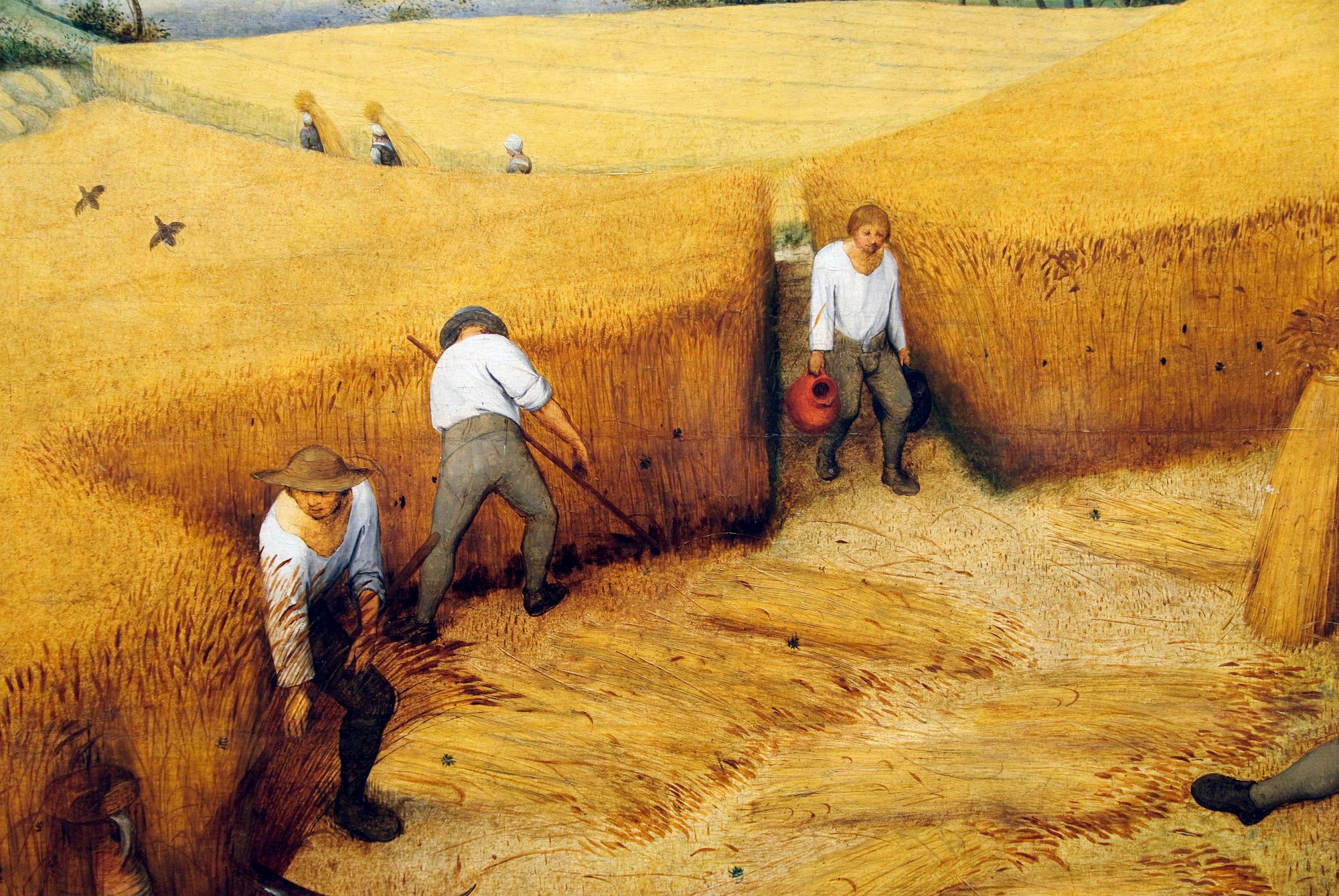
Counterintuitive results were obtained in huge studies on life satisfaction by Mihaly Csikszentmihalyi, the creator of the well-known “flow” concept. It turned out that, contrary to what most of us think, the source of the greatest satisfaction and positive emotions experienced in life is… work! Right behind it, in second place, is learning. The biblical verse, “cursed is the ground because of you; through toil you will eat of it all the days of your life” turned out to be a divine gift. The descendants of Adam were able to find the greatest meaning of their lives through this hardship, although Csikszentmihalyi also noticed a certain paradox. For many people, even though work is much more often a source of positive emotions than entertainment, they are also more motivated in finding ways of spending their free time. According to the researcher, a cultural stereotype is responsible for this state of affairs. The social perception of work as an indulgence and a necessary evil makes us more willing to choose activities accompanied by apathy than activities involving effort.
Another surprising result of Csikszentmihalyi’s research was the discovery that some people can find meaning in work that may on the surface seem boring, repetitive, and banal. In fact, even in forced situations (such as prison or army camp), some of the respondents were able to structure their situation in such a way that it provided them with positive emotions and they derived satisfaction from what they were forced to do. However, finding meaning in what you do is not always easy.
Czytaj dalej klikając TUTAJ.
Inne moje artykuły, które ukazały się w QUILLETTE:
The Victims’ Race
Zapobieganie samobójstwom a nauka kultu cargo

Ten wątek rozwijam w zbiorze esejów „Przepędźcie guru, którzy radzą, jak żyć i inne eseje”. Książka w księgarni Bonito »
Chcesz dostawać moje nowe teksty e-mailem? Zapisz się poniżej.

